
Technical financial models · GTM Engineering · AI Solutions Architecture
AI infrastructure, engineered and financed.
On-prem, colocation or cloud. We help you decide where AI and HPC workloads belong, prove it with the numbers, then design, finance, build and automate it.
25 years designing and running HPC datacenters · Equipment finance · Veteran-owned
AI infrastructure is arriving on desks that weren't built for it.
Companies are deciding whether to run AI on their own hardware, in colocation or in the cloud. Lenders are being asked to finance the GPU servers, switchgear and liquid cooling that follow. Both need the same answers: where it goes, whether it will have power, who pays, and what it's worth if plans change.
In July 2026, new business volume in ELFA's CapEx Finance Index ran 24.5 percent above its previous all-time monthly high, and ELFA attributed the surge to AI-related investment. ELFA CapEx Finance Index, July 2026
- 01InstalledA real place to put it.
- 02PoweredPower, cost and timing.
- 03PaidWho pays, and for how long.
- 04RecoveredWhat the lender gets back.
Four pillars, one desk.
Datacenter Infrastructure
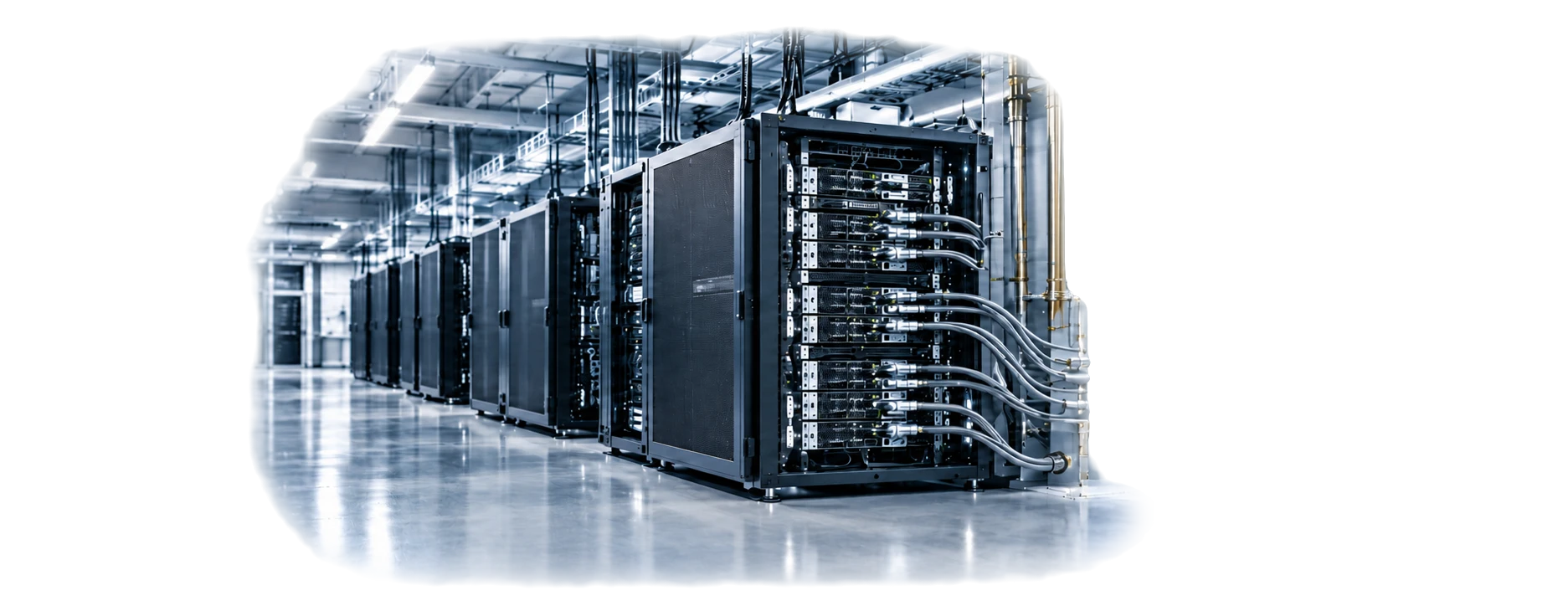
Site, power, cooling, rack density and lead times, assessed by someone who has been in the room: designed, built and operated HPC datacenters for more than 25 years.
Technical Financial Models
Cloud, on-prem or hybrid, proven with a three-to-five-year TCO, plus lender-ready models: capital structure, coverage, split depreciation and recovery.
AI Solutions Architecture
We map the process, then design and build AI systems inside the tools you already use, from lending intake to custom agents.
GTM Engineering
Agentic systems that identify, score and qualify organizations preparing to invest, before your competitors see them.
Solutions.
- Enterprise ITWhere your AI and HPC workloads should run, and the design, systems and financing to get there.
- Finance LeadersThe three-to-five-year numbers behind every infrastructure and AI decision.
- DatacentersCapacity, power and cooling, engineered and financed from one desk.
- Equipment FinanceDatacenter and GPU deals, packaged and graded before credit.
- Private EquityAI and infrastructure work inside portfolio companies, documented for the next buyer.
Automate preparation. Govern judgment.
Signals. Filings, power and permit records, hiring and funding news, watched every day, so a deal is visible before it is shopped.
Qualification. Every organization scored on fit and intent, then enriched with the decision-maker and a research brief. A person approves the outreach before it goes.
Four tests. Installed, powered, paid, recovered. Each answer carries a citation to the document that proves it, and nothing moves to credit until a named person signs the line.
What holds it up.
The controls are drawn around the pipeline, not appended to it. An inventory of every tool, model and vendor in use. A classification tier for every workflow. An approval matrix that says who signs what. An evidence log a lender, a client or an examiner can read. The model itself is versioned, its assumptions logged, and signed off before a lender sees it.
- Inventory registerevery tool, model, vendor
- Classification tiersper workflow
- Approval matrixwho signs what
- Evidence logreadable by an examiner
What stays human, by rule
- Eligibility and credit decisions
- Final credit and valuation judgments on infrastructure deals
- Investment decisions
- Every signature a lender or an examiner relies on
Where infrastructure meets underwriting.
Signals, qualification and the four tests. The model they prove. The lender it reaches.
Start with a training day or a deal review.
Most engagements begin with your own material on the table: an AI workload you're deciding where to run, a lending workflow buried in manual packaging, or a datacenter deal your credit team hasn't seen before. Forty-five minutes, no obligation.